ARTICLE / COMMERCIAL LICENSING
Commercial license audit clauses to watch.
BY FREDRIK FILIPSSON · REVIEWED BY MORTEN ANDERSEN
The commercial license audit clauses to watch are the ones that decide how an open source vendor can check your usage and what a shortfall costs. This guide walks through audit rights, true up pricing, notice, and the cure window, and where a buyer can push back.
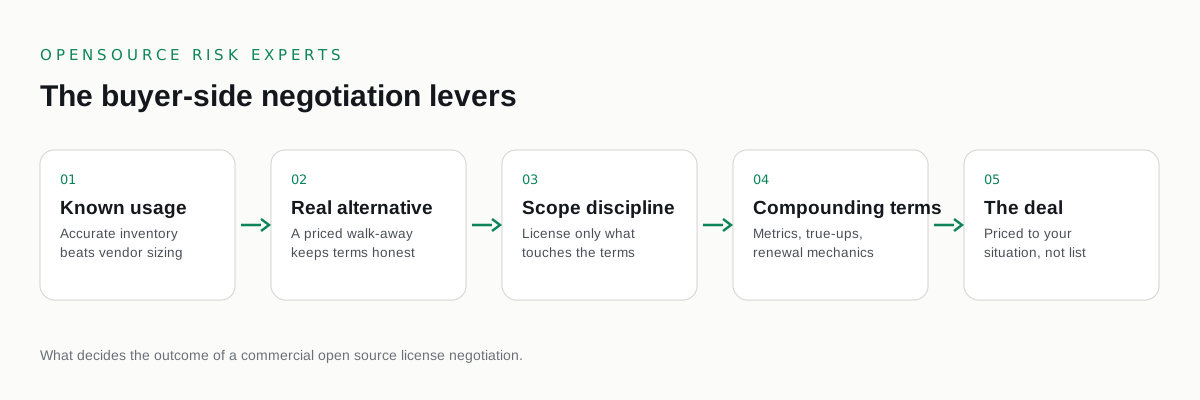
A commercial license you take after a relicensing event is not just a price. It is a set of clauses that govern how the vendor can examine your usage later and what happens when they find more than you paid for. The commercial license audit clauses to watch are easy to skim past during a negotiation focused on the headline fee, yet they often carry more financial risk than the fee itself. A favorable rate paired with a punishing audit right is not a good deal. This guide names the clauses that matter and the levers a buyer holds on each.
Commercial license audit clauses to watch: the audit right
Most commercial agreements grant the vendor a right to audit your usage. The terms that matter are how often the right can be exercised, how much notice you receive, who bears the cost, and whether the audit can be self reported rather than conducted on site. An unbounded audit right with short notice puts you on the back foot. Negotiate a reasonable frequency, written notice measured in weeks rather than days, and a preference for self certification supported by your own records. The audit right is standard, but its scope is negotiable, and the time to bound it is before signing.
The true up and how a shortfall is priced
The true up clause sets what you pay when an audit finds usage above your entitlement. This is where audit risk turns into real money. Watch whether the shortfall is priced at your negotiated rate or at list price, whether back charges reach into prior periods, and whether penalties or interest apply on top. A true up at list price with a long retroactive lookback can exceed the original license many times over. The fairest structures price an overage at the rate you already negotiated and limit how far back the charge can reach. Settle the pricing basis in the negotiation, because once an audit is underway the leverage has moved.
The usage metric and its definition
Every audit turns on a metric: nodes, cores, workspaces, users, or instances. A vague or generous definition is a dispute waiting to happen, because the vendor and the buyer will count differently when money is at stake. Pin the metric to something you can measure cleanly and report yourself, and make sure non production, test, and disaster recovery use are addressed explicitly rather than left to interpretation. A clear metric protects both sides and keeps an audit from becoming an argument about definitions. Ambiguity here almost always resolves in the vendor's favor during an audit, so resolve it in the contract.
Notice periods and the cure window
Two timing clauses change your position materially. The notice period sets how much warning you get before an audit, which determines whether you can prepare your records or are caught flat. The cure window sets how long you have to fix an overage before penalties or termination apply. A cure window lets an honest overage be corrected by truing up at the agreed rate rather than triggering a penalty. Negotiate both: meaningful notice and a defined cure period. Without a cure window, a small accidental overage can escalate straight to a breach posture, which is a poor place to negotiate from.
Your best defense is a current usage baseline
The clauses set the rules, but your records win the audit. A current, defensible baseline of what you run, under which terms, and since when turns an open ended inquiry into a bounded question you can answer in days. The same baseline you build to negotiate the license is the evidence that limits the scope of any finding, and keeping it current is the cheapest audit insurance there is. This connects directly to audit defense as a discipline, which we cover in open source compliance audit defense. The negotiation that sets the clauses is covered in negotiating a HashiCorp commercial license, and the BSL obligations that often lead to these agreements sit in HashiCorp BSL compliance obligations. The wider frame is in our pillar on commercial licensing. Interpretation of specific audit and true up language is a matter for your own counsel.
COMMON QUESTIONS
Questions buyers ask.
Which commercial license audit clauses matter most?
The clauses that matter most are the audit right itself, the true up mechanism that prices any shortfall, the notice period before an audit, the definition of the usage metric, and the cure window. Together these decide how often you can be audited, how a gap is priced, and how much warning and time to fix you receive. Read them as a set rather than in isolation.
What is a true up clause and why does it matter?
A true up clause sets how the vendor charges you when an audit finds usage above your licensed entitlement. The risk is in the price applied and whether back charges, penalties, or list rates rather than your negotiated rate apply. A true up at list price with retroactive fees can dwarf the original license, so the pricing basis belongs in the negotiation, not the audit.
How can I limit audit exposure in the contract?
Limit audit frequency, require reasonable written notice, cap the lookback period, tie any true up to your negotiated rate rather than list price, and secure a cure window to fix an overage before penalties apply. A clear, measurable usage metric also reduces disputes. These are negotiable terms, and the time to set them is before signing.
Does an accurate usage baseline help with audits?
Yes. A current, defensible record of what you run, under which terms, and since when turns an open ended audit into a bounded question. The same baseline you build for negotiation is the evidence that answers an audit quickly and limits the scope of any finding. Keeping it current is the cheapest audit insurance available.
Are audit clauses legal advice?
No. This is commercial and licensing risk advisory, not legal advice. For interpretation of specific audit, true up, and cure language in your agreement, we recommend your own counsel.
COMMERCIAL LICENSING
Read the audit clauses before you sign.
Our negotiation advisory reviews audit, true up, and cure terms before you commit. Independent, buyer side, paid only by you.
Not ready to talk? Read the free open source license risk guides first.
One email when a major project relicenses. No marketing, unsubscribe any time.
MORE IN THIS CLUSTER